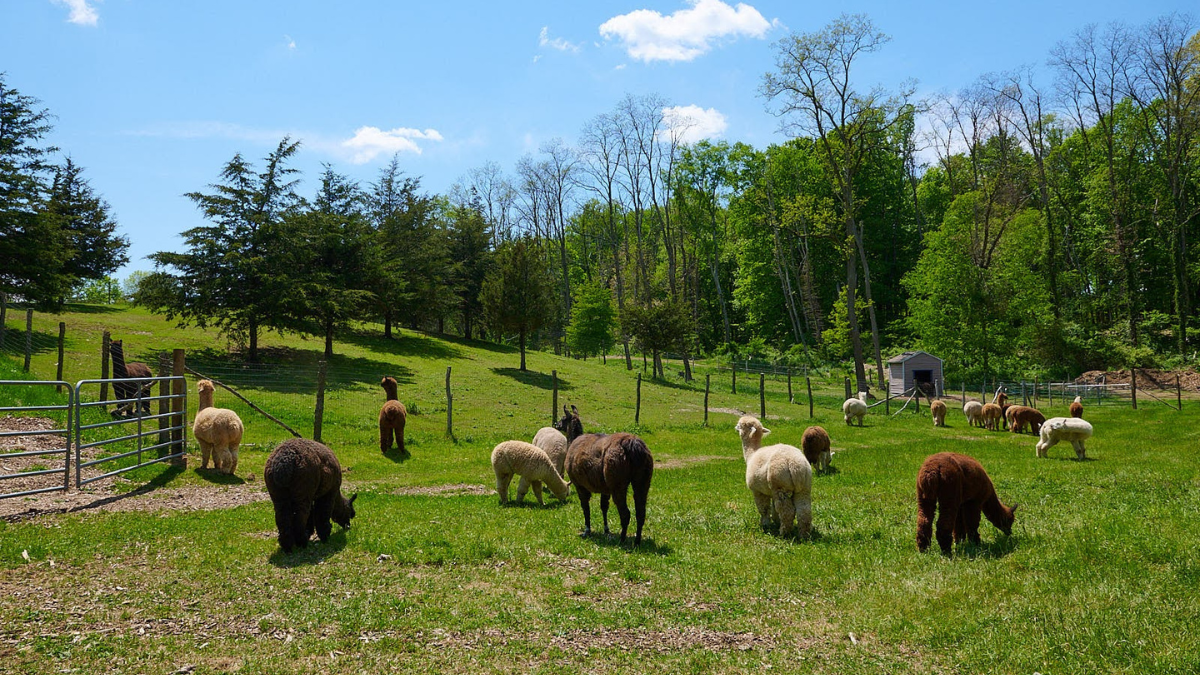
Husbandry is arguably the number one way to keep your animal’s happy, healthy and safe. Veterinarians and farmers alike talk about husbandry nonstop and the reason is simple: most issues seen day to day are a result of something being up with husbandry practices.
In its simplest terms, husbandry is just referring to the practice of cultivating livestock. What this really means is everything involved in the care for your animals including things like:
- Nutrition
- Housing
- Ventilation
- Stressors
- Space per animal
- Bedding
- Enrichment
- Vaccinations
- Parasite management
- Routine care (like hoof trims)
- Quarantine/isolation practices
- Water supply
- Species being co-housed
- Disease testing
- Record keeping
- Handling techniques
- And more
With so many components to it, it is easy to see how simple it can be to have a breakdown in one of these areas from anything like a faulty water heater in the winter to a leak in the run-in shed driving up moisture. If you can get husbandry for your animal’s right though, you can drastically improve your herd or flocks health.
Let’s take a look at some of the health problems that can be seen with each of these.
Nutrition:
Nutrition is really a key component of any animal’s wellbeing. Nutrition can impact animals at really any stage of life. For older animals, poor dentition may mean that they need soaked feed or chopped feed instead of their traditional diet. For male goats and sheep especially, feeding high calcium feeds such as grain and legumes like alfalfa can lead to urinary stones so a veterinarian should guide you on how much they can safely get. Trace minerals can also make a huge difference. Each species has their own unique needs and ensuring they have the appropriate trace minerals can help with growth of young animals, wool quality, prevent mineral related skin issues and more. Ways to help with nutrition often involve hay testing to ensure it has the proper nutrients for your herd, working with your veterinarian to find the best feeding plan for your animal’s based on things like pregnancy status, age, or sex, as well as providing them with adequate trace minerals for their species.
Housing, Ventilation, Bedding, and Space per Animal
Housing generally provides animals with a shelter (barn, coop, run-in shed) and a field or run. Housing should provide them with protection from the elements as well as protects them from predators. Having enough space per animal, enrichment, and appropriately placed feeders help to decrease bullying ensuring everyone can eat as much as they need and that too many stressors aren’t placed on one animal. Your shelter needs good ventilation (often 1 sq ft per 10 sq ft of shelter) to help eliminate excess moisture and ammonia that can build up even overnight. Too high an ammonia can lead to respiratory issues in your animals and too high a moisture can predispose them to frostbite in the winter.
A lot of people try to use old hay from the moldy outside of a round bale, chopped up corn stalks, or other discards as bedding. I am here to discourage this and encourage using clean bedding instead. The old hay is bad not just for the mold risk but also because of the risk it is harboring Listeria which is a bacteria that can cause listeriosis and make your animal’s very sick. The chopped corn stalks are a big culprit of choke and ruminal acidosis and shouldn’t be used. Keeping your bedding clean and dry is also important because things like coccidia thrive in moist environments. Plus if you wouldn’t want to lay in the wet bedding, I guarantee your animal’s would prefer not to also.
Vaccinations
Vaccinating your herd can help prevent outbreaks of diseases and are an essential part of a lot of large animal’s health. Most poultry will not be vaccinated except for Marek’s disease vaccination of some chicks from commercial hatcheries. This is usually due to vaccines for chickens often coming only in very large amounts (10,000+ doses) and other vaccines bringing the disease into your flock so all new birds would have to be vaccinated.
Parasite management
One of the most common causes of deaths in livestock, especially small ruminants, is parasites. Routinely running fecal tests to see the parasite burden of your herd or flock and in small ruminants, doing FAMACHA scoring to help assess anemia levels can help you catch parasites before they become too devastating. Giving your animals dewormer routinely on a schedule often leads to parasite resistance and this can make killing parasites very difficult in the future. You should work with your veterinarian to create a parasite management plan to help your animal’s stay safe.
Routine care:
Routine care includes things like hoof trims, scur trims, spur trims, tusk trims, health checks, mite/lice checks, meningeal worm prevention in camelids, shearing, and more. Keeping up with all these help prevent a plethora of issues and can really improve your animal’s quality of life.
Quarantine/isolation practices and Disease Testing
One of the biggest mistakes new owners make is not quarantining a new animal. We quarantine our animals for a minimum of 3-4 weeks, run a fecal and treat for parasites if necessary, do a full health check on the animal, and depending on the species do screening tests for certain diseases before they can join the flock.
You are NOT quarantining if your new animal’s share a fenceline with existing animals during “quarantine”, you are handling the new animals without full PPE or changing clothes, scrubbing shoes, etc and then handling your existing animals, you are contaminating feed bins, waterers, etc, between new and existing animals, or you are quarantining and deworming in a field that can’t be sanitized and your existing animals will now go in and get exposed to the parasites or diseases that the new animals may have had. Please be cautious when quarantining!
Water supply
Water access can be trickier than it seems especially if your power goes out frequently and the well stops working, you don’t have electricity for heaters and it is winter, or you are in a drought and your well or stream that the animals get water from is all dried up. Water is critical for overall systemic health so ensuring you have a water source and maybe a backup plan also is an important part of husbandry.
Species being co-housed:
While this may seem like a great way for you to take care of animals efficiently,
certain species are easier to house together than others. Be sure to take into consideration factors like will one species be aggressive toward the other, food access (for example sheep can’t have as much copper as goats need), or what other species may carry (example pigs can be transmitted erysipelas from turkeys).
Record keeping
Record keeping may seem like it doesn’t impact your herd health directly but it can help you spot trends in health, remind you of any issues you had with certain medications, and if you do anything with meat, milk, or eggs, you will need to keep track of medications because of withdrawal times.
Handling techniques
Our last point, yet an important one is handling. Handling errors can cause harm to animals and make them loose trust in you. Furthermore, it can mean that you get hurt too and it is important to prevent that. Being able to handle your animals also is what will enable you to do the health checks and maintenance you need to keep them healthy.
Overall, if you can master the art of good husbandry you can really help your herd or flock stay healthy.